speculative design
Circular Geology
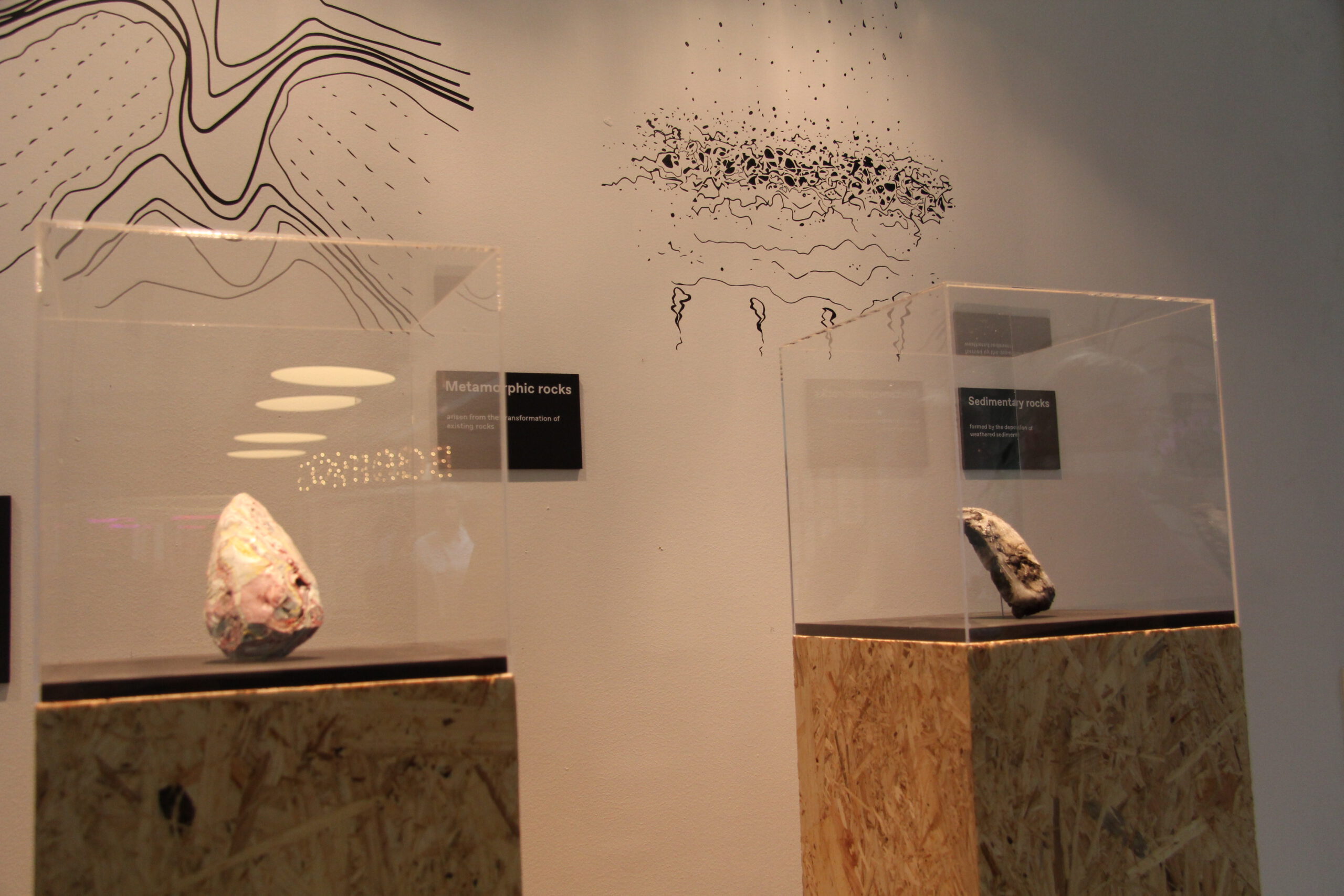
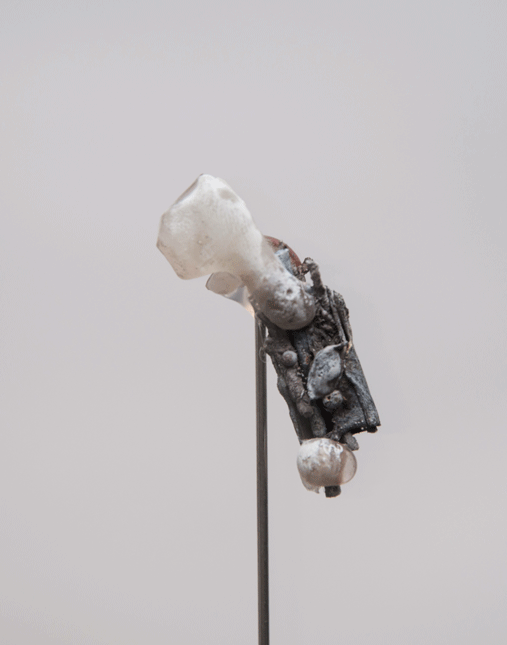
Circular Geology explores the material traces humans leave behind and questions how these traces might be understood in the deep future. Imagining a world where anthropogenic materials have become new geological formations, the project transforms plastic waste into speculative rock samples that blur the boundaries between natural and artificial matter.
Rather than presenting waste as an endpoint, the project considers materials as active participants within larger ecological narratives. The resulting sedimentary, metamorphic, and magmatic rocks invite us to rethink ideas of value, resources, and responsibility.
At its core, Circular Geology reflects on our relationship with the more-than-human world. By shifting attention from human-centred perspectives towards material agency and planetary timescales, the project explores how design can reveal our entanglement with the more-than-human world and encourage a more reciprocal relationship with the Earth.
the samples
foster speculation
about potential future substances
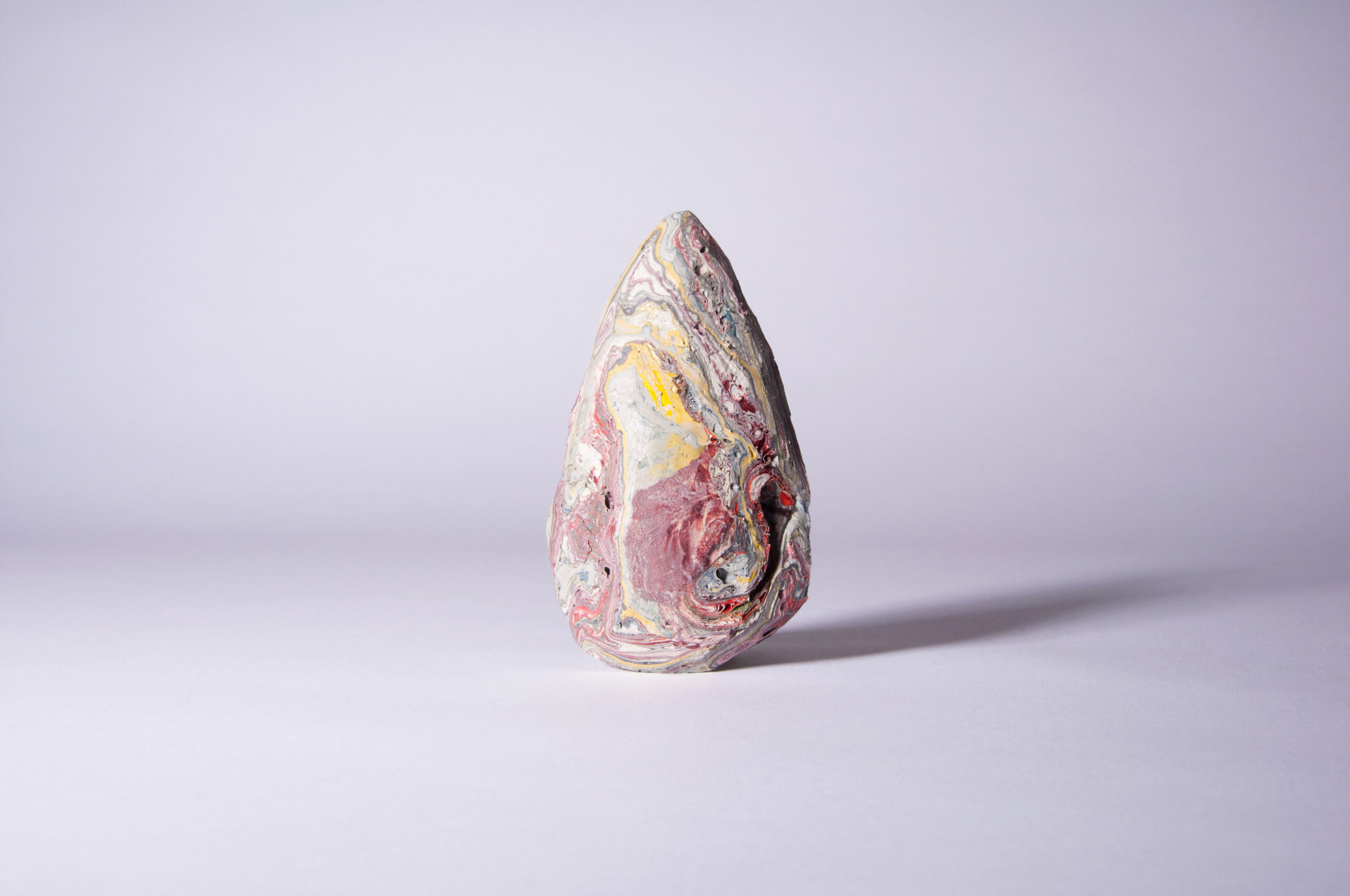
Sample no. 1
metamorphic rock
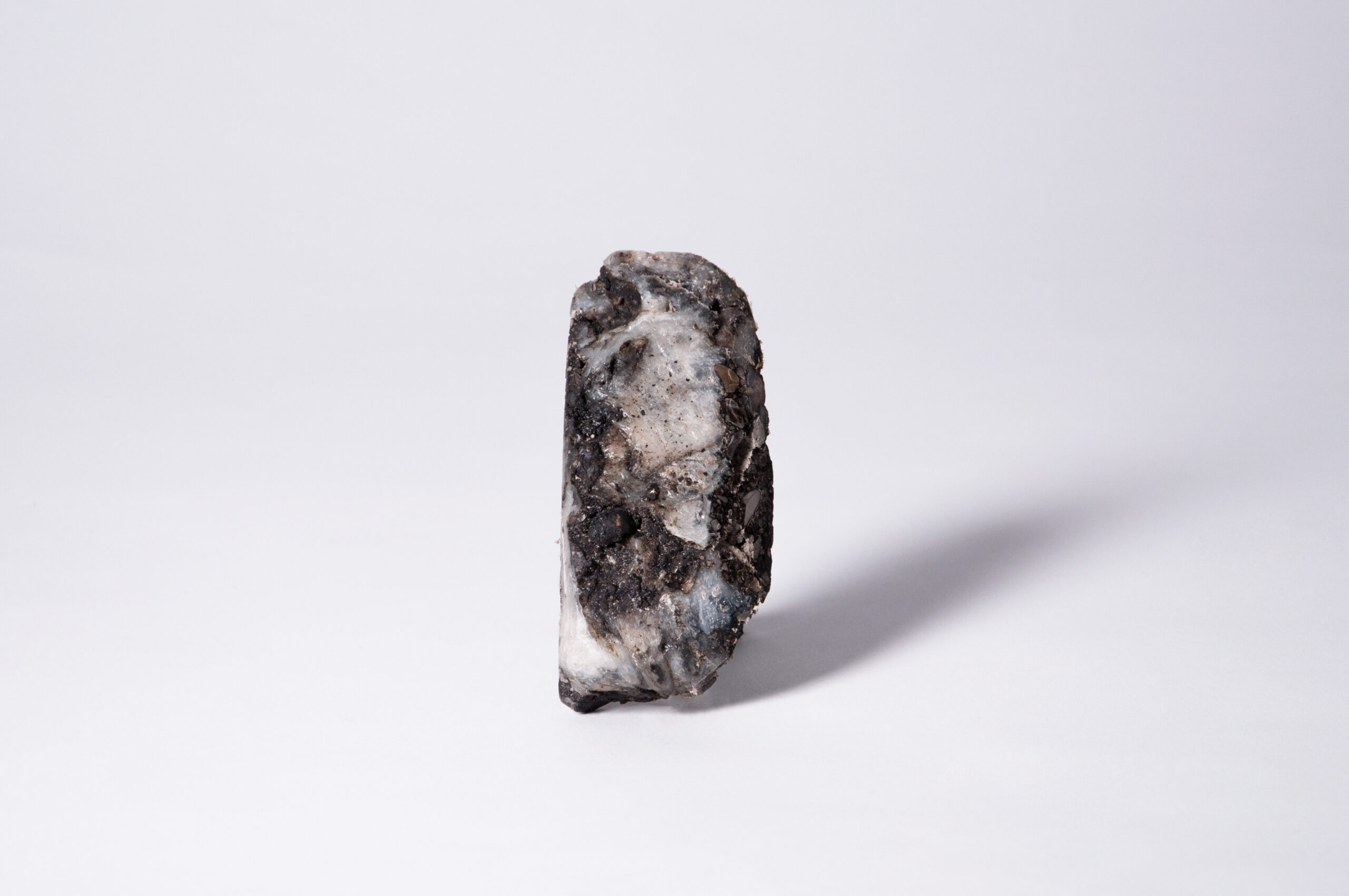
Sample no. 2
sedimentary rock
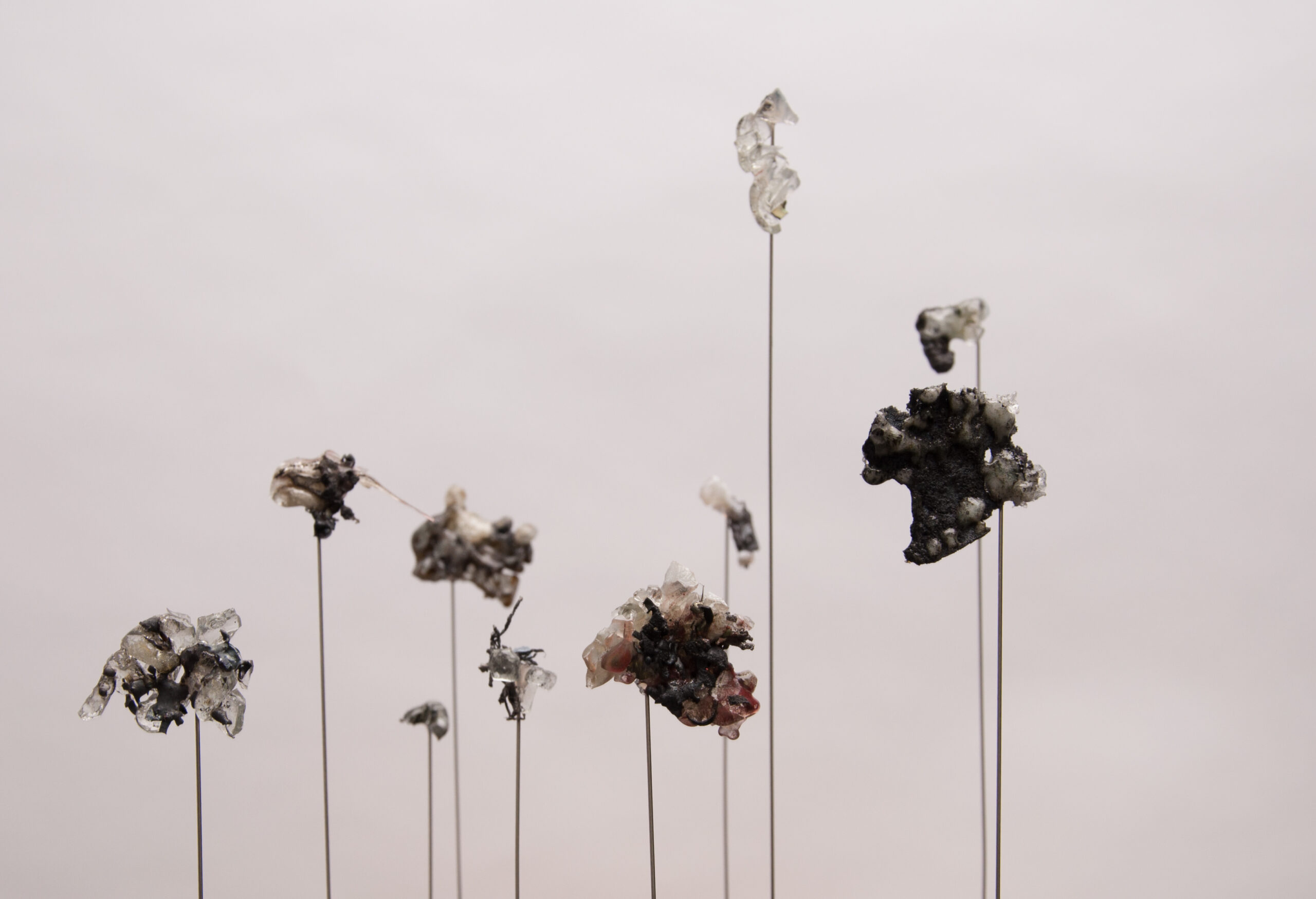
samples no. 3
magmatic rocks
matter-centered design
The Cycle of Vitality
This project explores a matter-centered approach to design by shifting the perspective from humans as makers of passive materials towards a relationship of interaction, listening, and care. Inspired by the ideas of the material turn, it investigates how matter possesses its own agency and how acknowledging the vitality of materials can transform the way we design and engage with the nonhuman world.
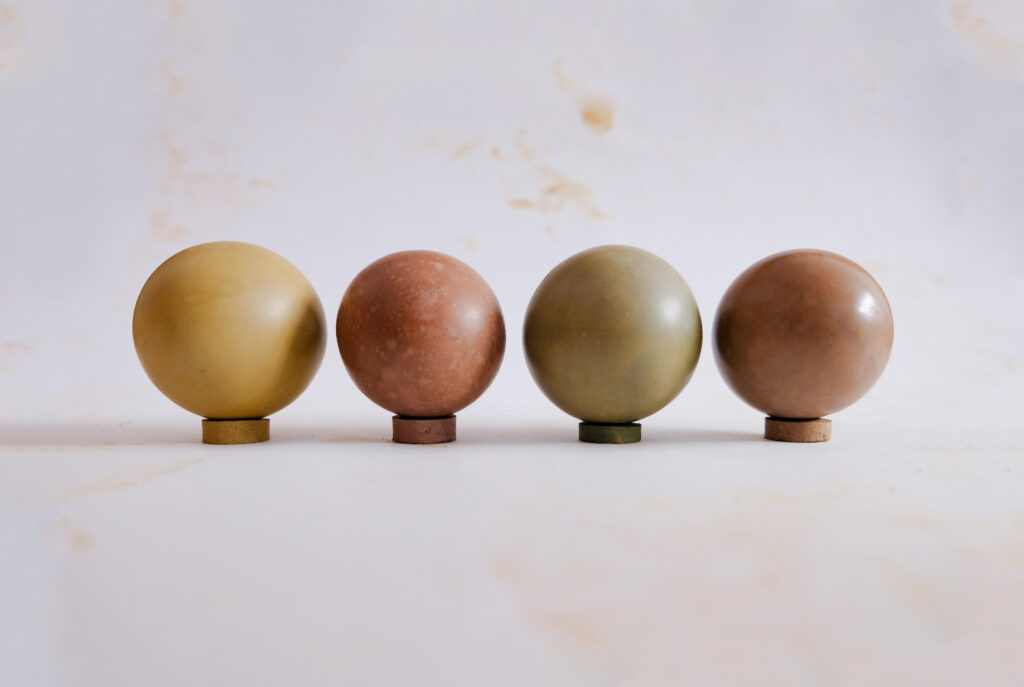
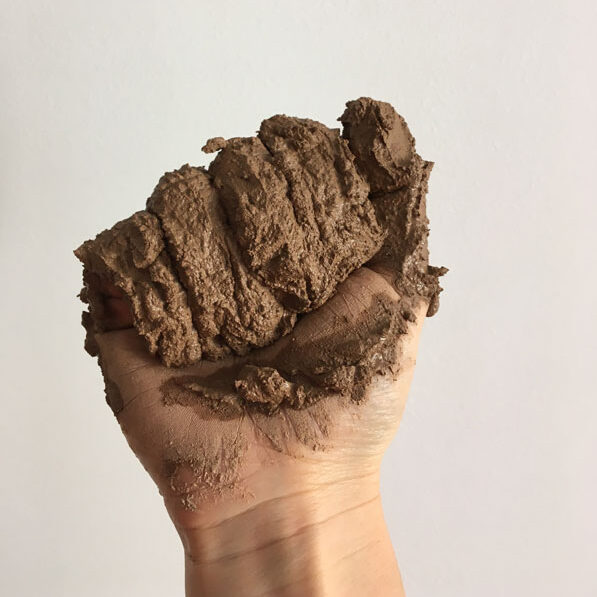
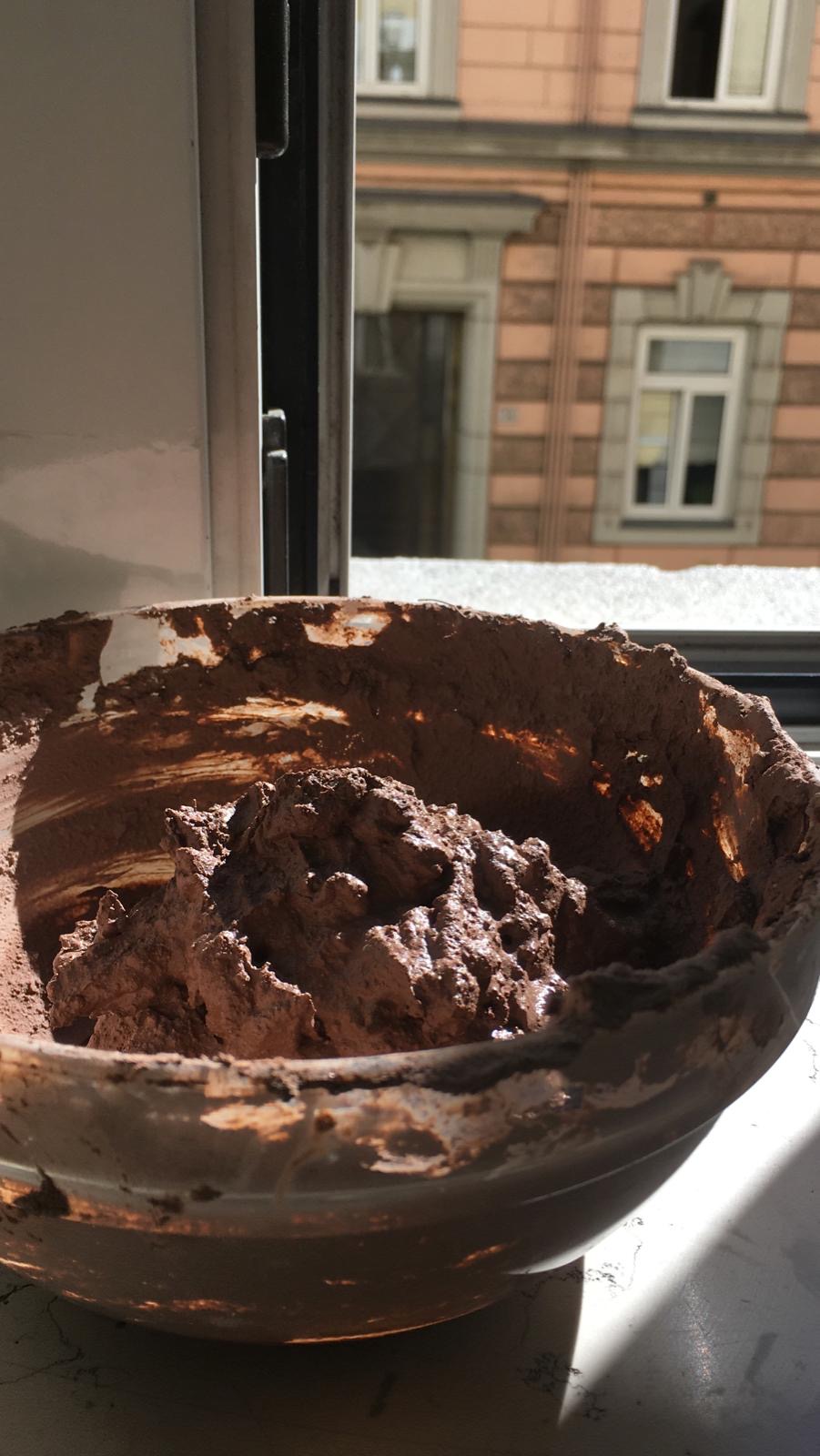
Focusing on loam as a living, transforming substance, the project reveals the material’s ability to communicate through its qualities, reactions, and changes. Loam is not understood as an inert resource, but as a substance-in-becoming — shaped by geological processes, environmental conditions, and human interaction. Its capacity to absorb, release, harden, soften, and transform makes its vitality tangible.
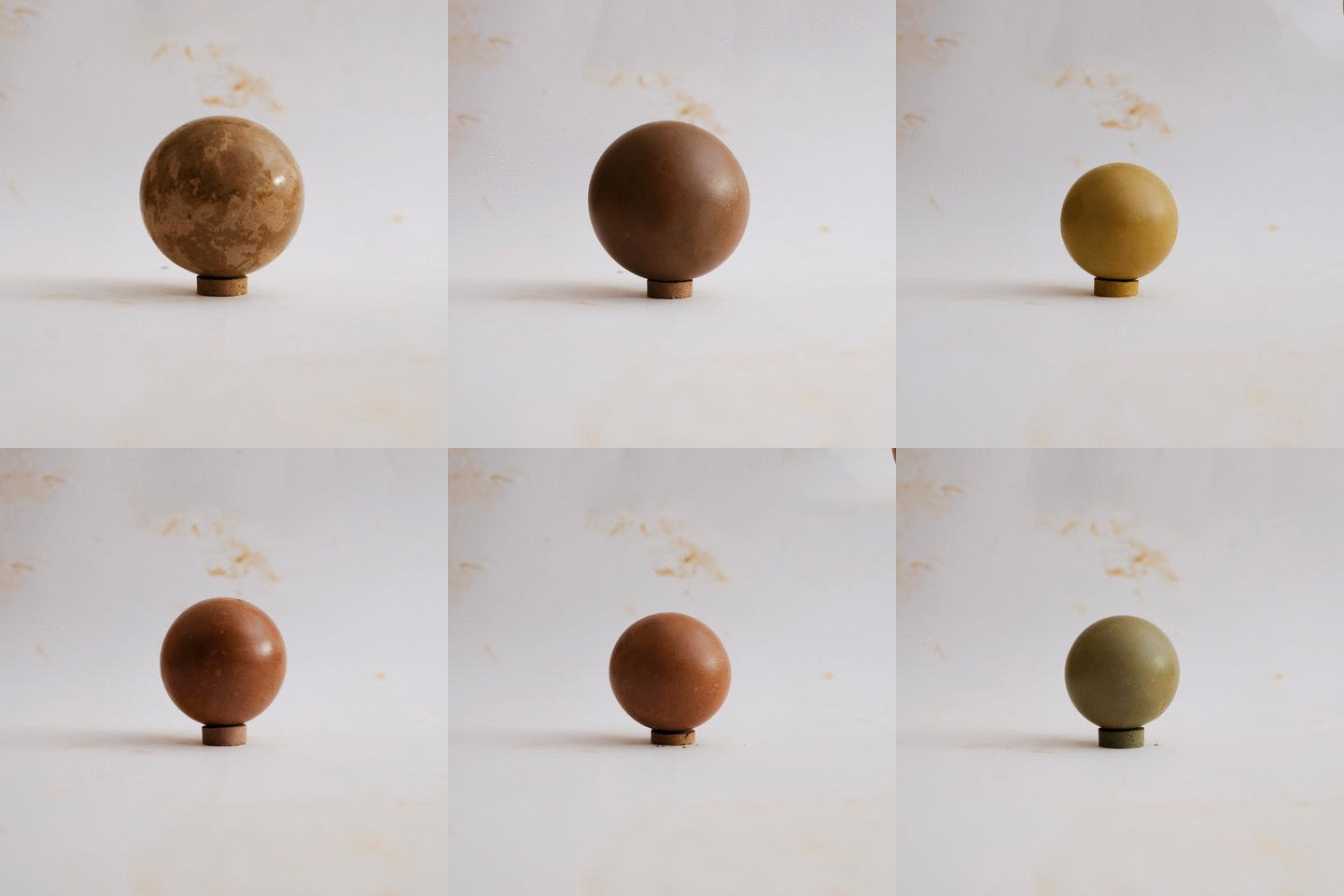
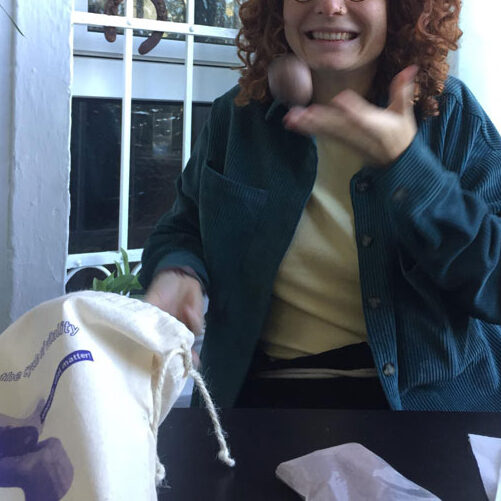
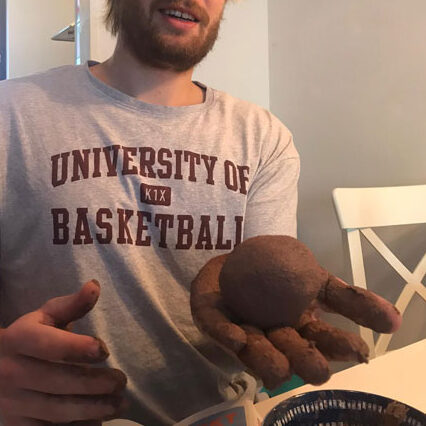
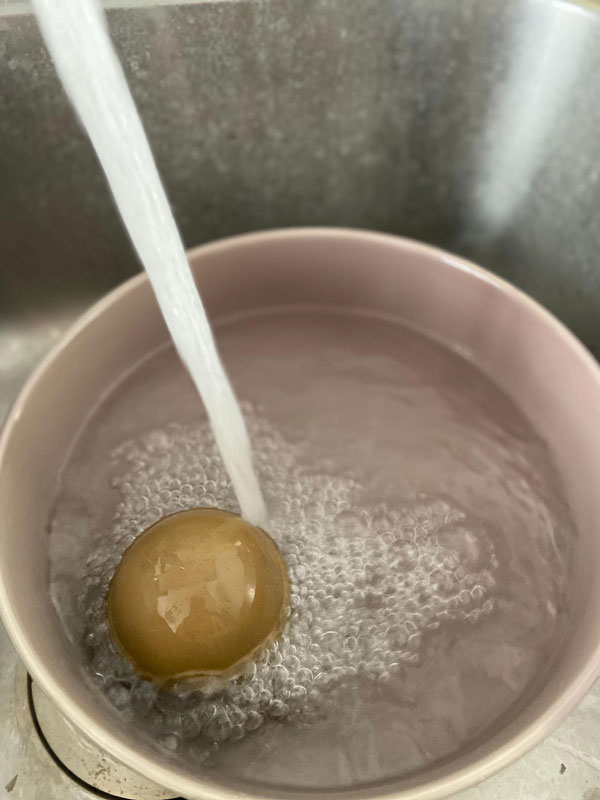
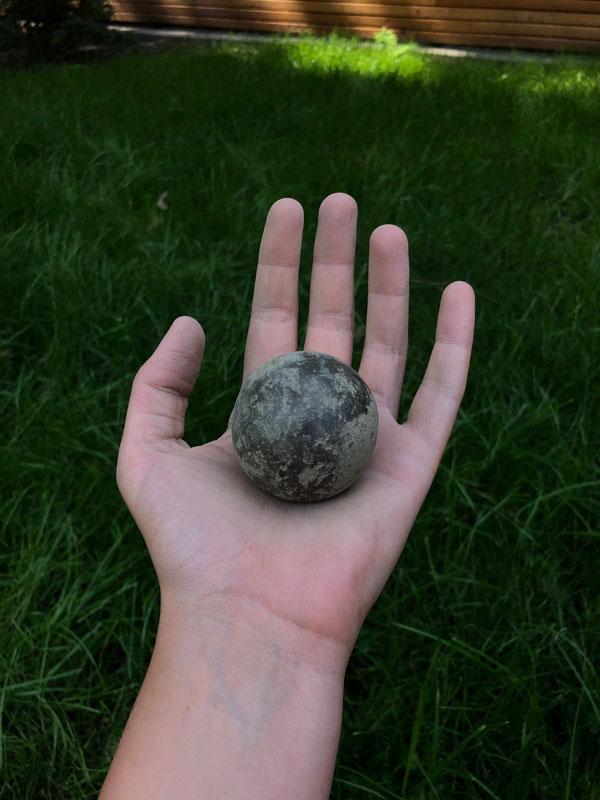
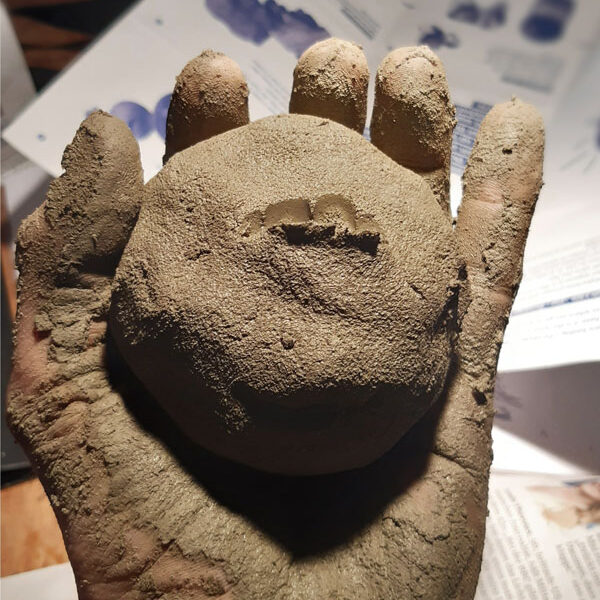
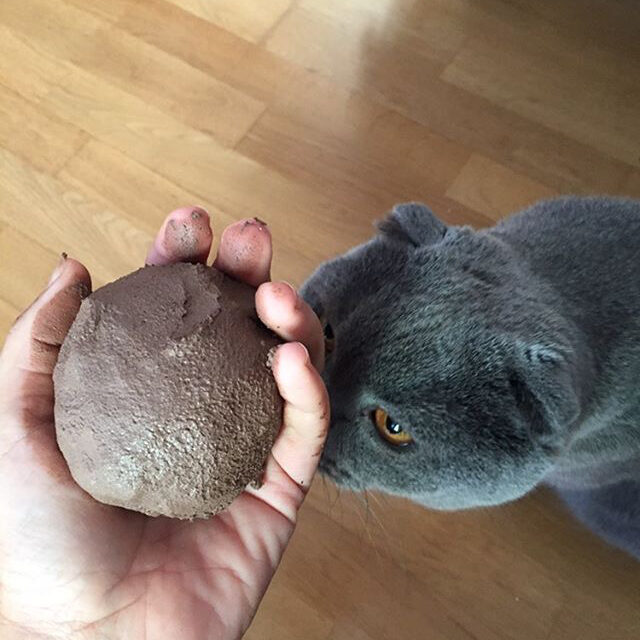
Through the creation of Hikaru Dorodango — polished mudballs made from different types of loam — the project creates a direct dialogue between maker and material. The repetitive, meditative process requires attention and responsiveness: the material determines the pace, expresses its needs, and guides the making process. Rather than controlling matter, the maker learns to collaborate with it.
Daniel MillerThe things
that people make,
make people.
The collection of Dorodangos represents different geological stories of loam, connecting material, place, and time. By experiencing the material’s transformations firsthand, the project aims to foster a deeper appreciation for matter’s agency and encourage more caring, circular relationships between humans, materials, and the environment.
@loam_stories
regional development
Stärke:re:form
Co-Creating Regenerative Futures
Stärke:re:form is a regional co-creation project in Mecklenburg-Vorpommern that brings together citizens, local businesses, and external designers to develop regenerative and circular futures for the region. During an intensive innovation week, interdisciplinary teams collaborated on concepts that combine local resources, community engagement, and sustainable development.
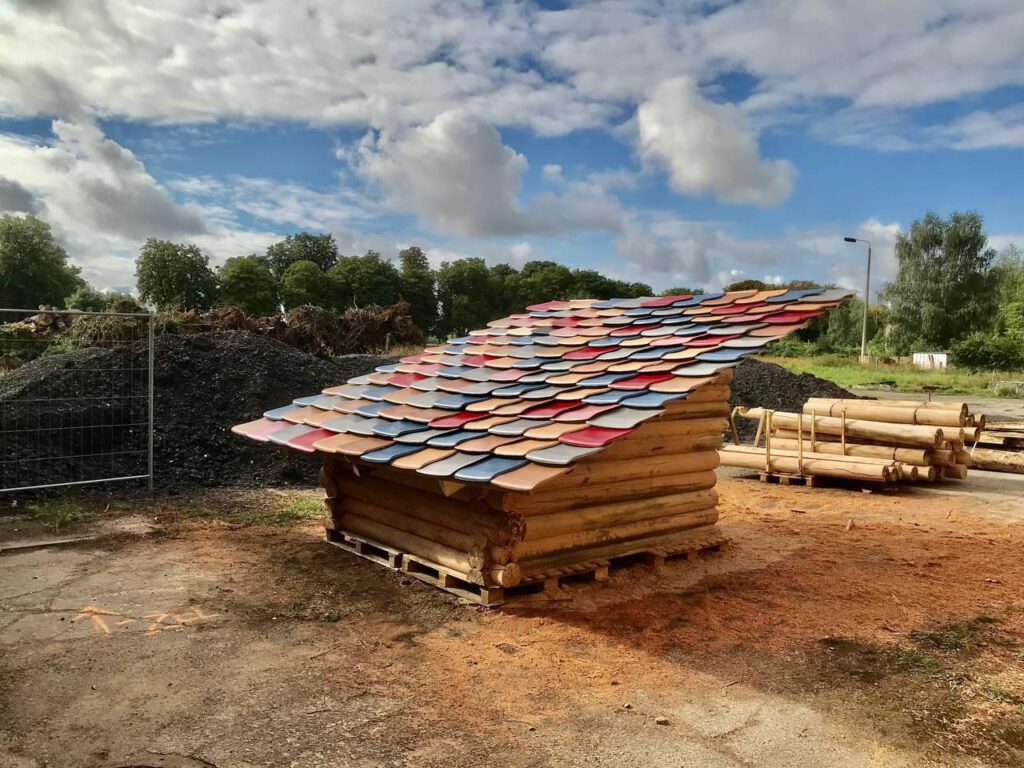
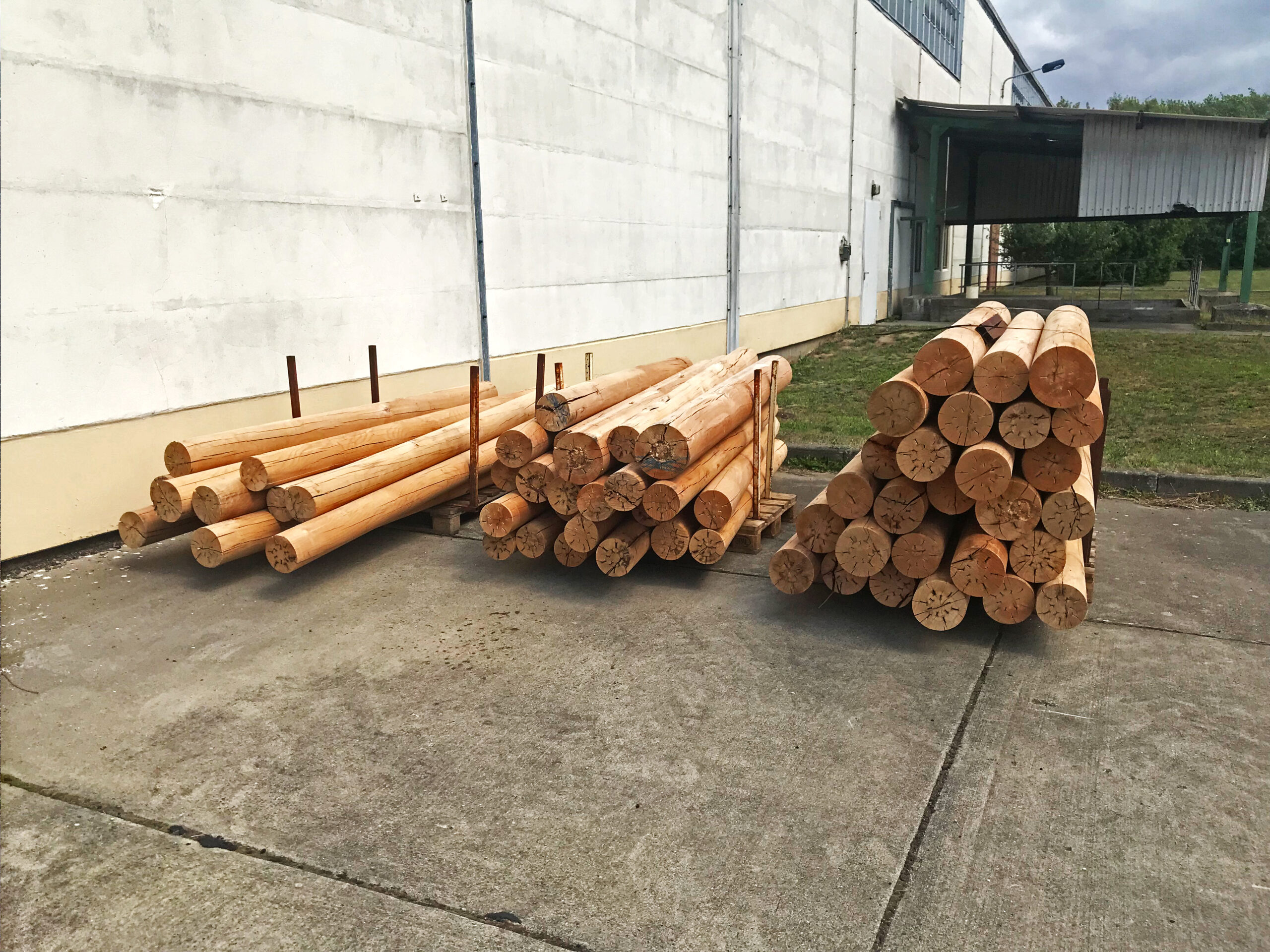
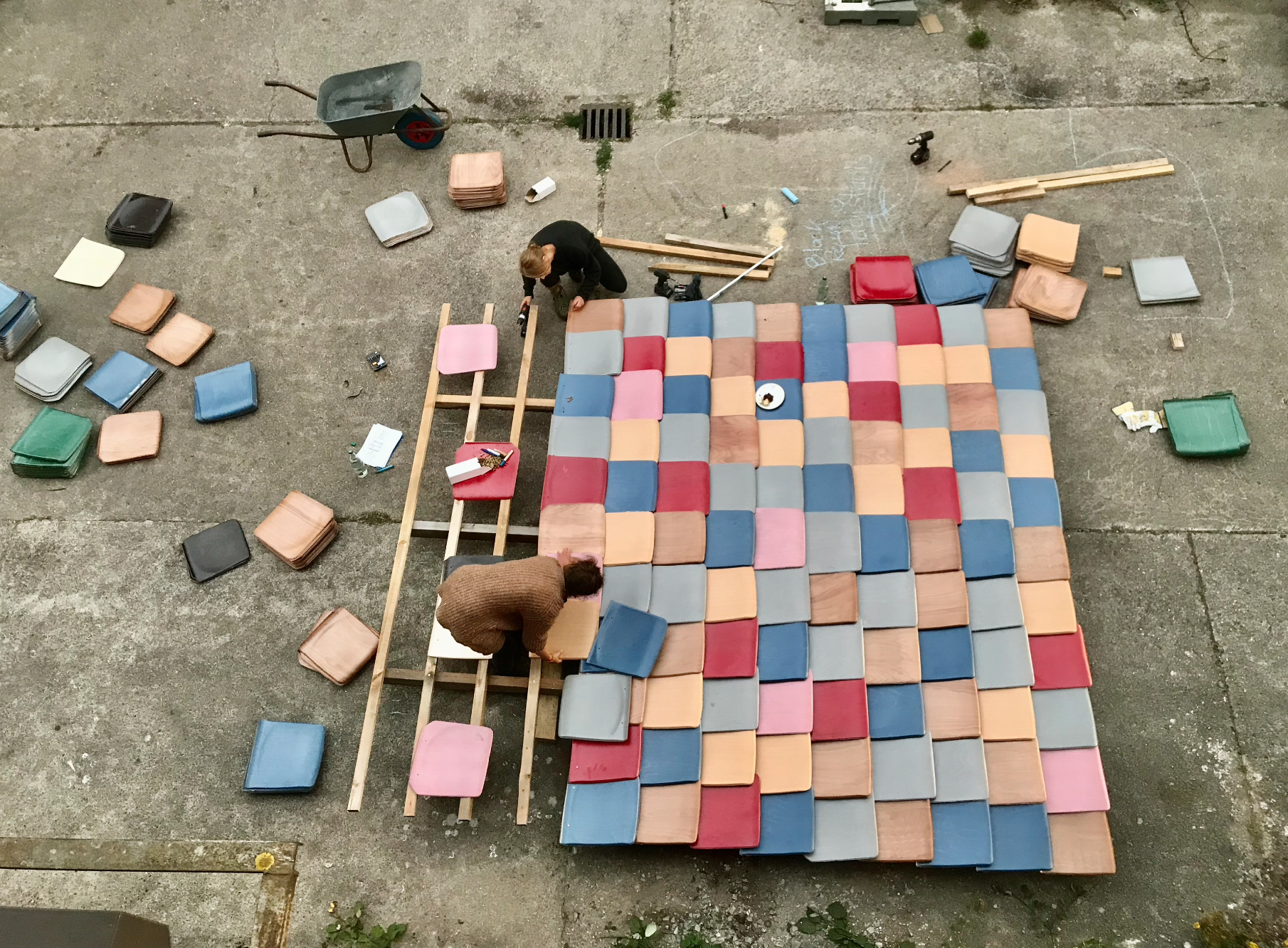
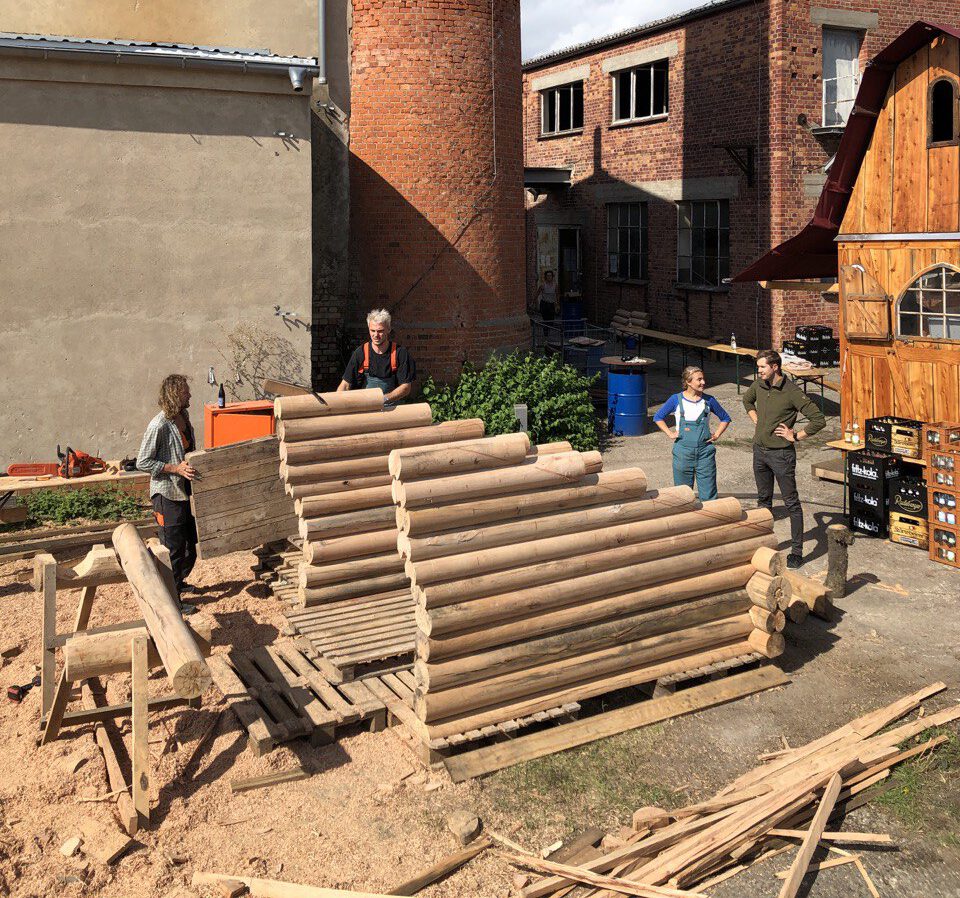
Together with Nora Hoffmann, Lukas Unterholzner, and Christoph Wentland, I developed and built a 1:1 prototype of a log cabin using residual beech wood from the local timber company PagHolz. Conceived as a landmark along the Peene River canoe route, the cabins promote gentle tourism while demonstrating the potential of regional circular material flows.
More than a physical structure, the project proposes an eco-social model: open construction plans enable communities to collectively build the cabins themselves, reviving traditions of communal making and strengthening regional identity. By transforming wood waste into shared infrastructure, the project connects circular design, local craftsmanship, and social participation.
find out more about the project